
What is an ACL Injury?
An ACL injury is a term used to identify a tear or sprain of the anterior cruciate ligament (ACL). When an ACL injury occurs, one of the strong bands of tissue that help connect your thigh bone (femur) to your shinbone (tibia) is damaged (see Figure 1), it is common to feel a "popping" sensation in the knee and it may swell and feel unstable.
These injuries commonly occur during sports that involve sudden stops or changes in direction, jumping and landing – such as soccer, basketball, rugby, football and skiing.
What do you do when you have an ACL injury?
Determine the severity of the injury
The best knee support for any ACL injury is determined based on the severity of the tear and/or sprain. ACL injuries fall anywhere within this 3 grade system;
Grade I - Trauma to the ligament is relatively minor. Some of the fibers may be stretched. This is considered a "sprain".
Grade II - Trauma to the ligament is more severe. Some of the fibers are torn. This is called a "partial tear".
Grade III - This is the most severe ACL injury. The fibers of the ligament are completely torn. It is referred to as a "complete tear".
Treatment and support for these grades will also depend on the physiological make-up of a person and may vary case to case. Treatment could include rest and rehabilitation, exercises to help you regain strength and stability, a particularl protocol of serious bracing or surgery to replace the torn ligament. A proper training program should be made with your physician to accommodate your circumstances and help reduce the risk of complications in the ACL recovery process. Wearing a relevant brace might be suggested by your doctor or physiotherapist.
Find an ACL brace that works for you
Grade I and II Injury: Some people with a damaged ACL can get by with only wearing a brace on their knee when they run or play sports.

How long do I have to wear a brace for?
Post-Reconstruction
According to Newcastle based orthopedic surgeon, Dr Stewart Mackenzie, following an ACL surgery/reconstruction, your grafted ligament is at its greatest risk of rupture. This means that if significant force is placed on your knee during the healing process, the graft may not be able to endure the pressure. Wearing a brace during this period of time will help protect the knee from accidental movements that could contribute to recurrence.
Non-Operative
A multidisciplinary approach towards ACL injuries is becoming more prevalent given the increased success of non-invasive approaches. Grade 1 and 2 ACL injuries are typically cared for with rest, a good quality soft sleeve brace and restrengthening activity programs. These ensure the surrounding muscles are supporting the joint to provide protection to your ligament whilst it is healing and starting to load the joint again with activities. With a minor injury, you may only need to put ice on your knee, elevate your leg, and stay off your feet for a while. Crutches can help to keep weight off your knee and the use of a brace to aid stability and regeneration of the ligament is also a popular option (length of time will vary case to case).
A fully ruptured ACL tendon typically requires surgery however some choose to avoid surgery and live with a ruptured ACL through strengthening activities and assessing their level of stability on an ongoing basis.
How long does an ACL injury take to heal?
About 12 to 16 weeks after surgery, sport-specific activities are usually added to the rehabilitation program, such as hopping, jumping and agility drills. Six to nine months is typically how long it takes to recover from an ACL surgery and full activity , with minor impacts usually able to heal on their own over time. In saying this, there is still a high risk of re-injuring the area in that 12-16 week period and beyond, so the following regiment should be considered.
For non-operative ACL injury, the length of time varies case to case. It is recommended to get advice from a physician.
Tips to get you back on track:
Whilst Bauerfeind’s range of ACL knee supports will aid in your recovery process (allowing for enhanced stability, proprioception and medical-grade compression), there are other simple exercises and lifestyle choices that will help you on your journey and prevent further injury.
Proper training and exercise can help reduce the risk of ACL injury recurrence. A sports medicine physician, physical therapist, athletic trainer or other sports medicine specialists can provide assessment, instruction and feedback that can help you reduce risks. They may advise some or all of the following;
-
The use of nonsteroidal anti-inflammatory medications and analgesics to help with pain management.
-
Exercises to strengthen the core andrain the body to avoid moving the knee inward during a squat, lunge or jump
-
Exercises that strengthen leg muscles, particularly hamstring exercises, to ensure an overall balance in leg muscle strength
-
Training to improve technique when performing pivoting and cutting movement
Sports Knee Support

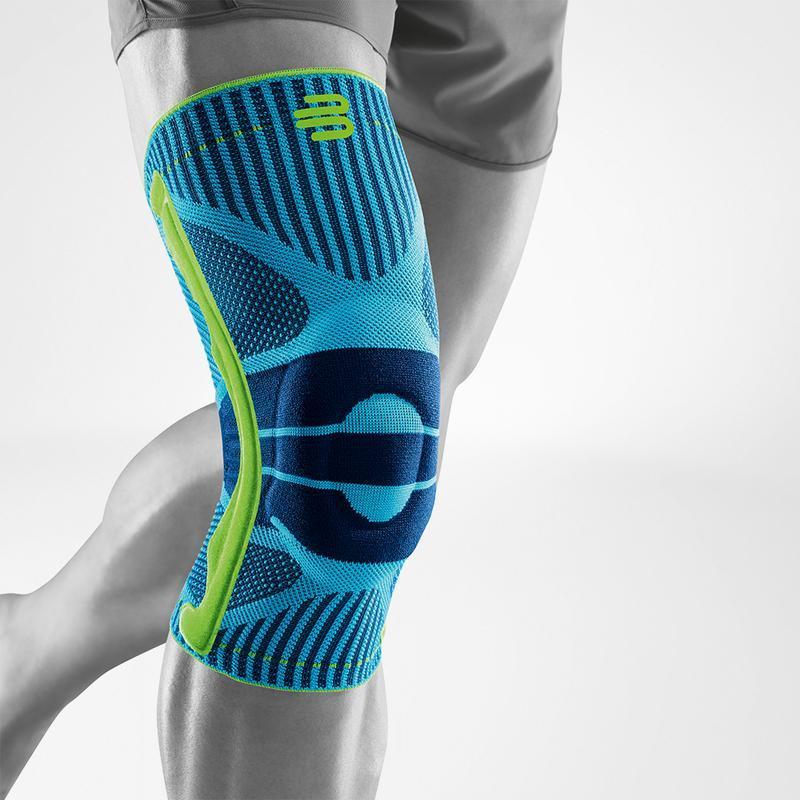
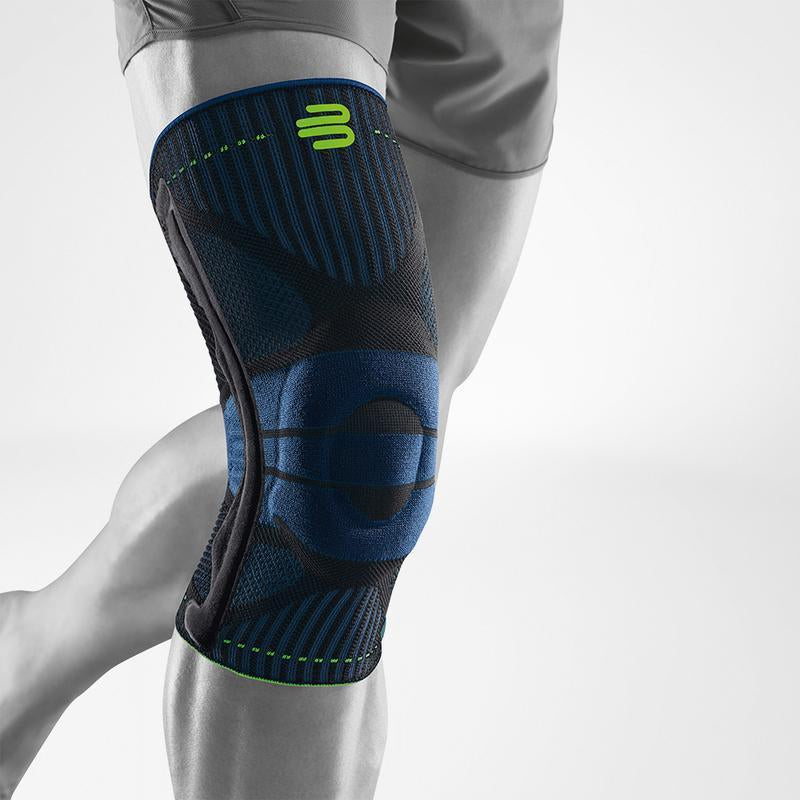
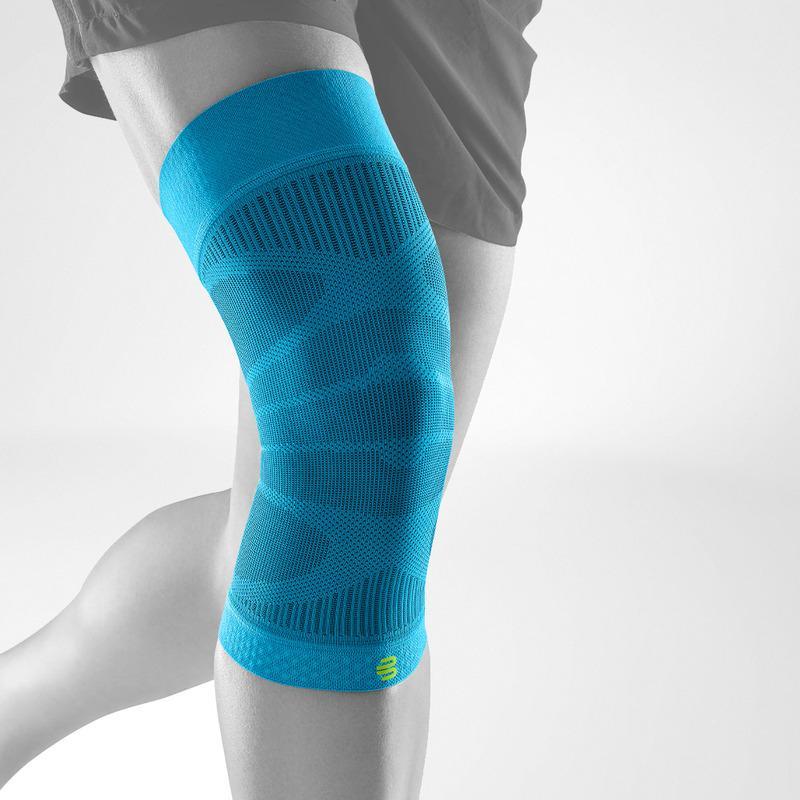
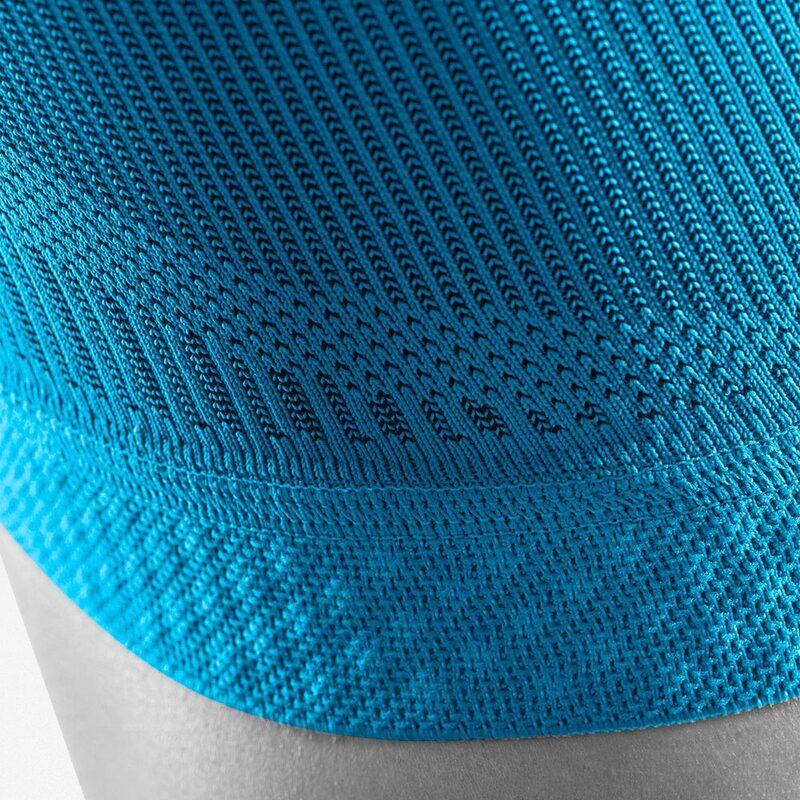
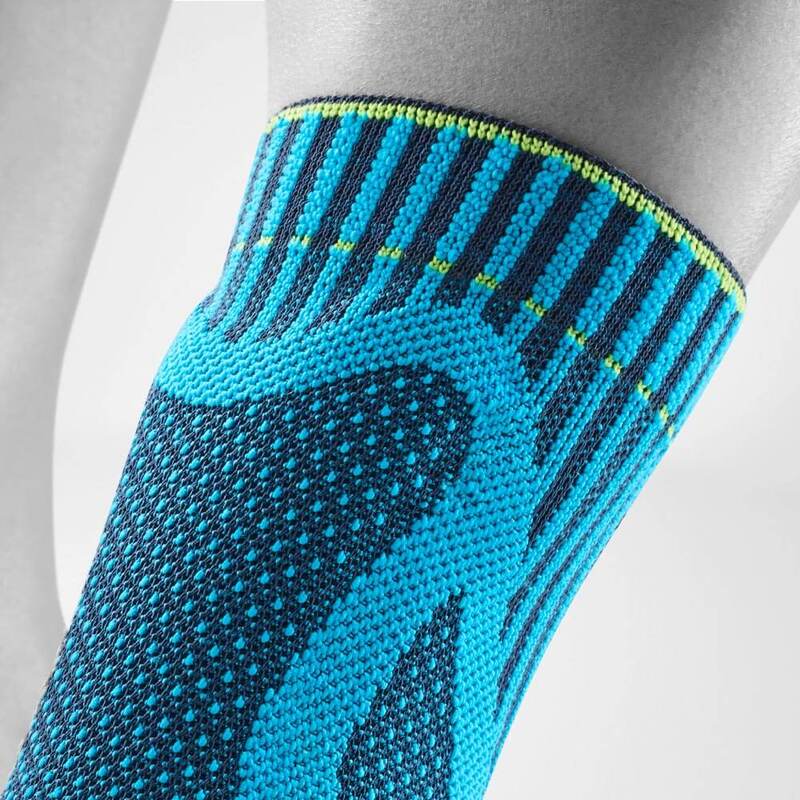
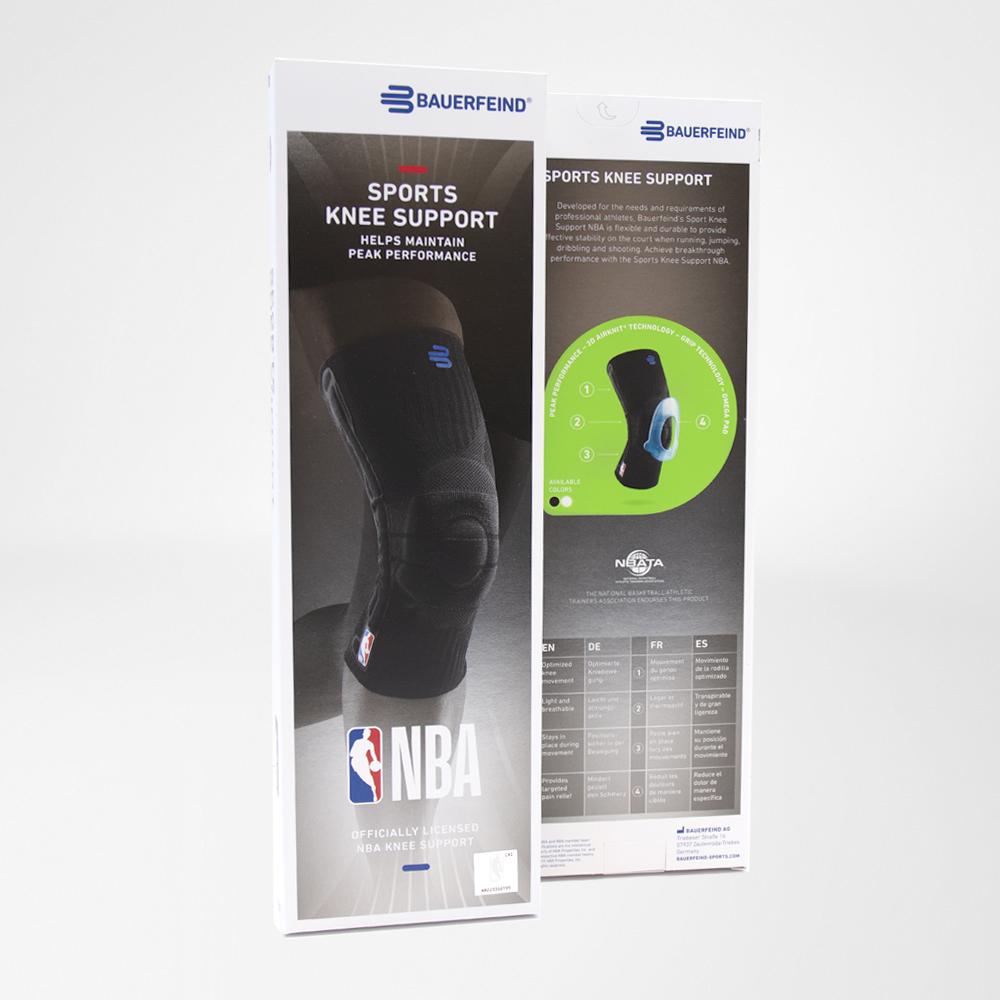
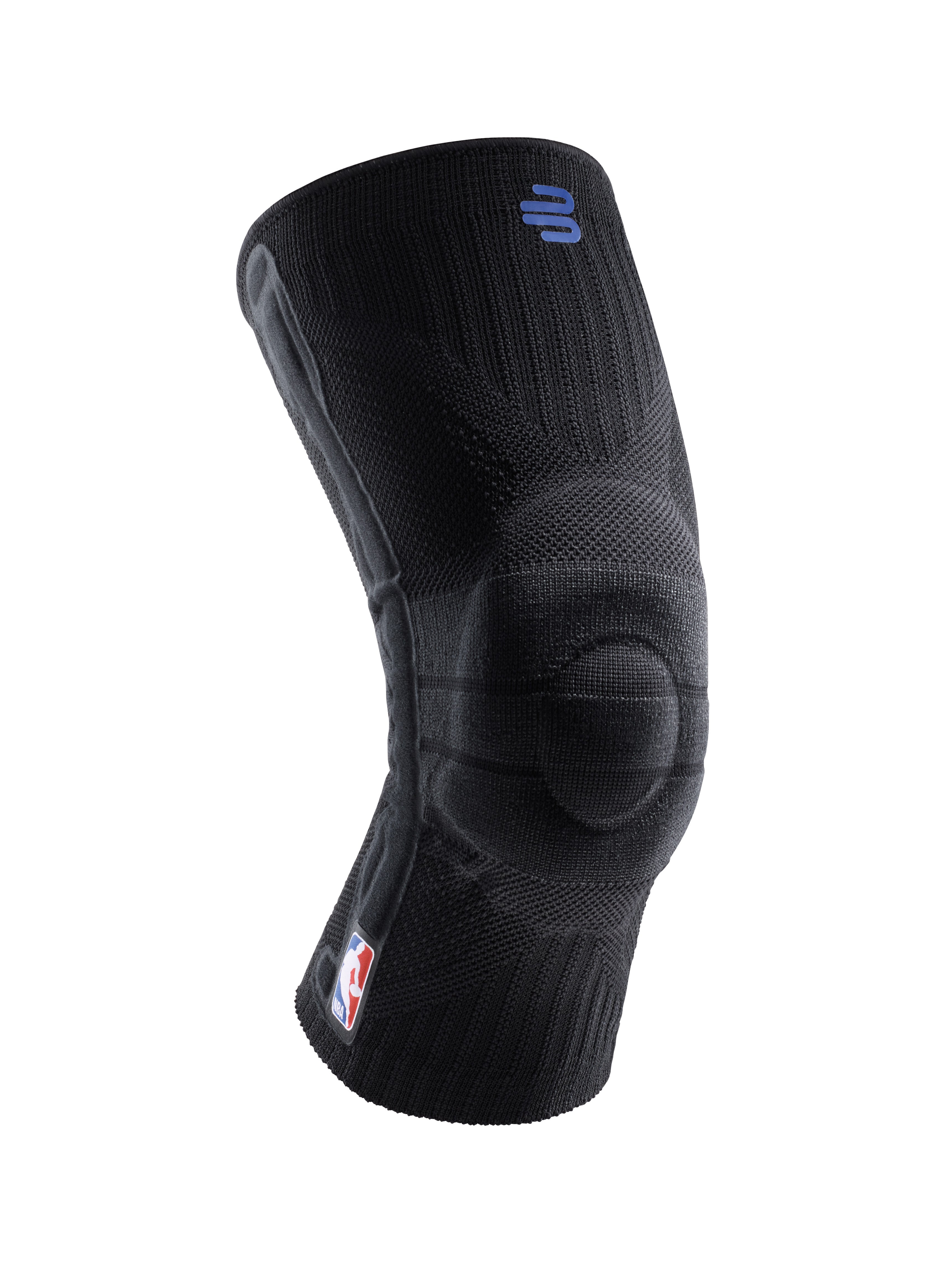
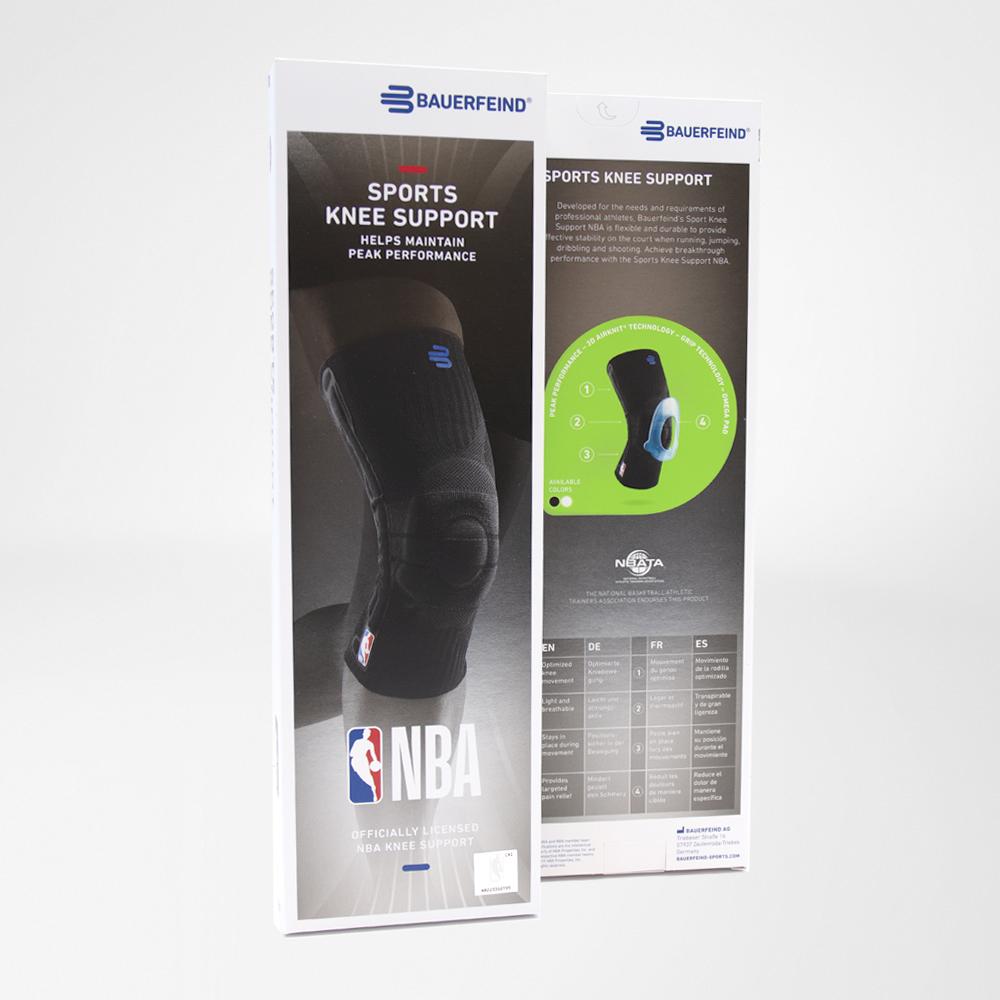
Sports Knee Support improves the movement of the knee during longer sporting activities through gentle, beneficial compression and protects against overloading. The support surrounds the knee joint. An anatomically contoured pad surrounds the kneecap. This special functional element captures and disperses pressure peaks. When the knee moves, the pad and the knitted fabric massage the connective tissue and the muscles. Two pressure points and lateral wings deliver targeted stimuli. This stimulation boosts the metabolism and triggers positive sensorimotor feedback: The stabilising muscles are activated more quickly, thus improving joint coordination. This provides effective protection against stress and injury risks. Overloading pain subsides more quickly, preventing the adoption of damaging relief postures. The knitted fabric of the Sports Knee Support is similar to a fine net made of an airy mesh and consists of a breathable, hard-wearing material. This makes the support especially lightweight, comfortable to wear, and practical for sports. Its anatomic contouring and adhesive zones guarantee a secure fit and maximum freedom of movement.
-
You train longer, harder and raise your performance
-
Stabilises the knee and controls movement
-
Prevents overloading and injuries
-
Optimised climate control during sports
-
Less pressure on your kneecap and worry-free training
-
Safe and comfortable fit with every movement
-
Durable, toxic-free product of robust quality