Whether you’re returning from injury, looking to prevent one, or simply want to move with more confidence, stability and strength training is one of the most effective ways to future-proof your joints. By targeting balance, coordination, and controlled strength, you can improve your body’s ability to handle everyday activity – from running errands to running a race.
At Bauerfeind, we see first-hand how important joint stability is for both performance and long-term comfort. The following routine combines simple, equipment-light exercises designed to strengthen the muscles and stabilisers around your knees and ankles.
Why Stability & Strength Training Matters
When we talk about knee stability exercises or an ankle strengthening routine, it’s easy to focus just on big muscles like the quads or calves. But stability is ultimately about neuromuscular control – your body’s ability to maintain alignment, resist unwanted shifts, and respond dynamically to movement.
- Neuromuscular control (the communication between your brain, muscles and joints) is essential to safe and efficient movement.
- Strong stabiliser muscles around the knee and ankle – including glutes, hamstrings, deep hip rotators, and intrinsic foot/ankle muscles – are the unsung heroes of joint health.
- When stabilisers don’t fire properly, the result can be over-loading of ligaments, tendons or cartilage, leading to pain or injury.
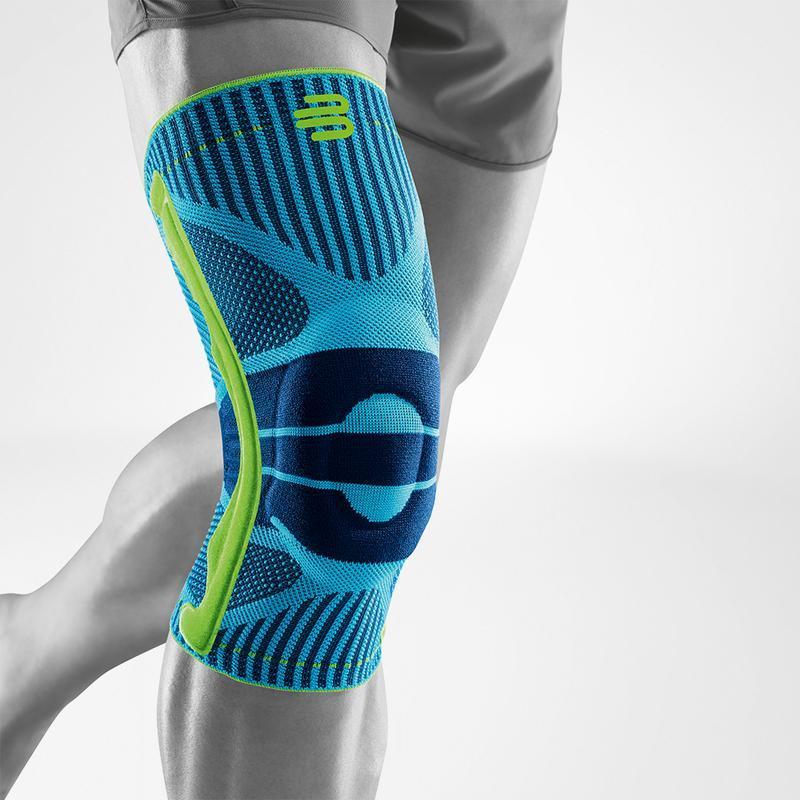
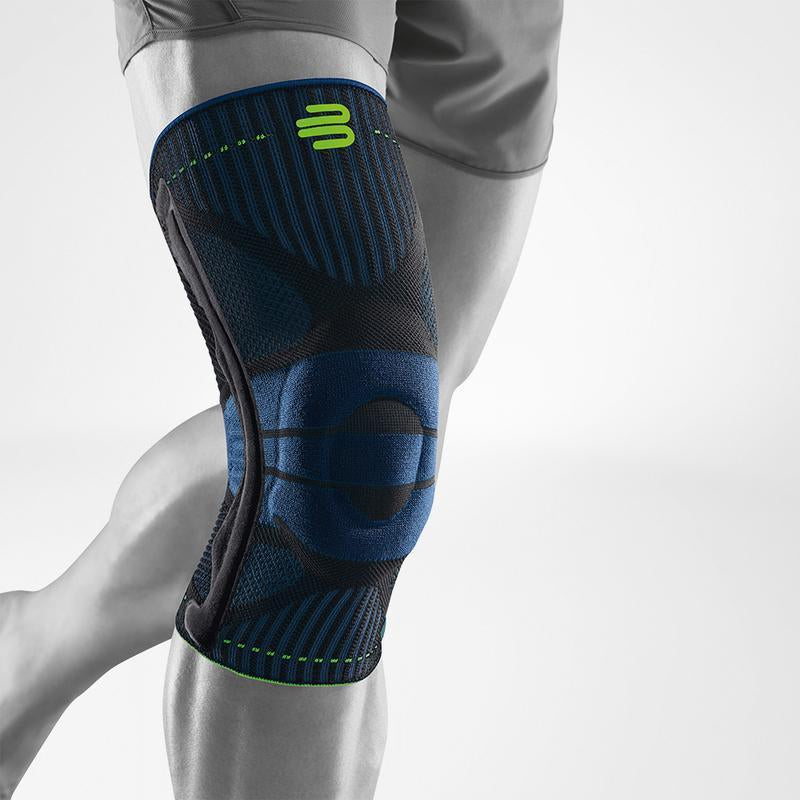
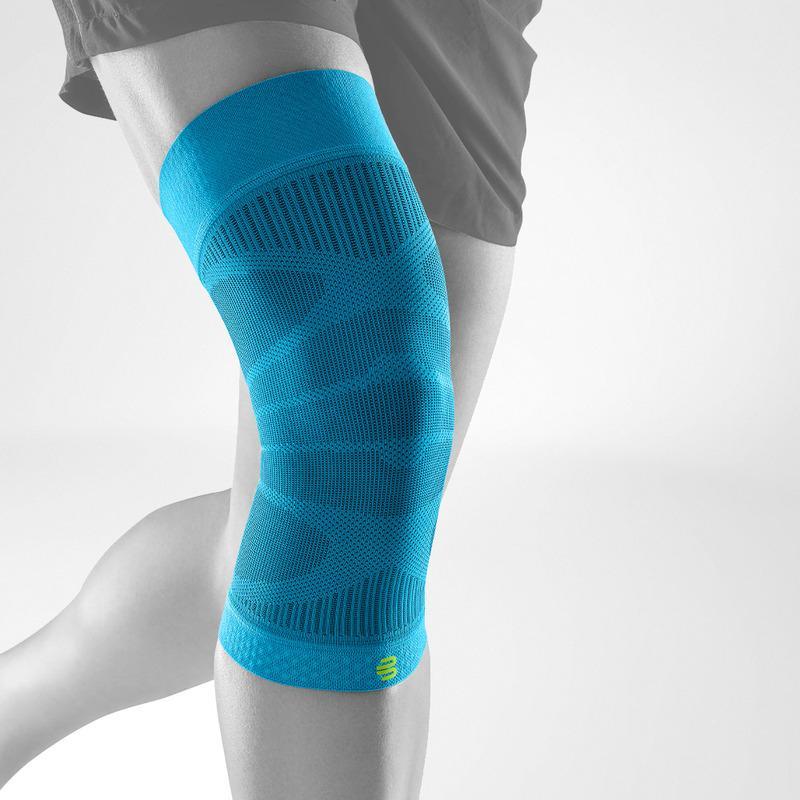
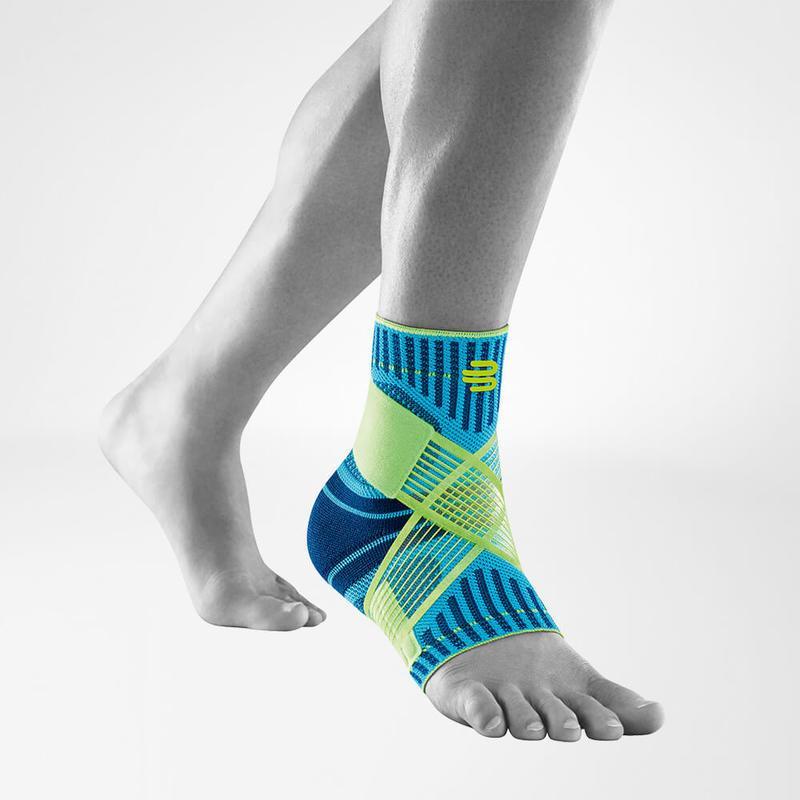
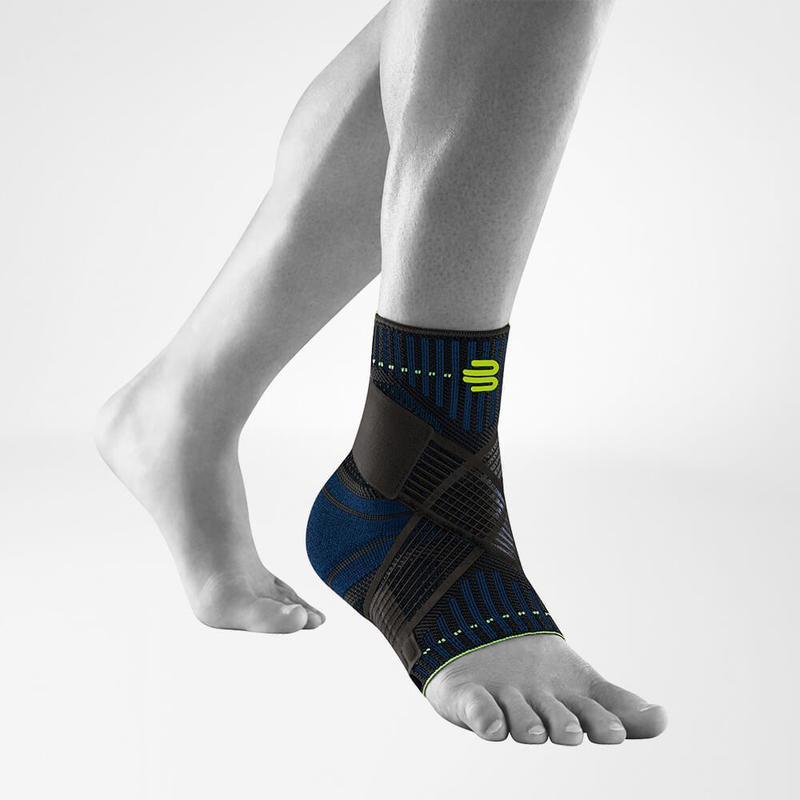
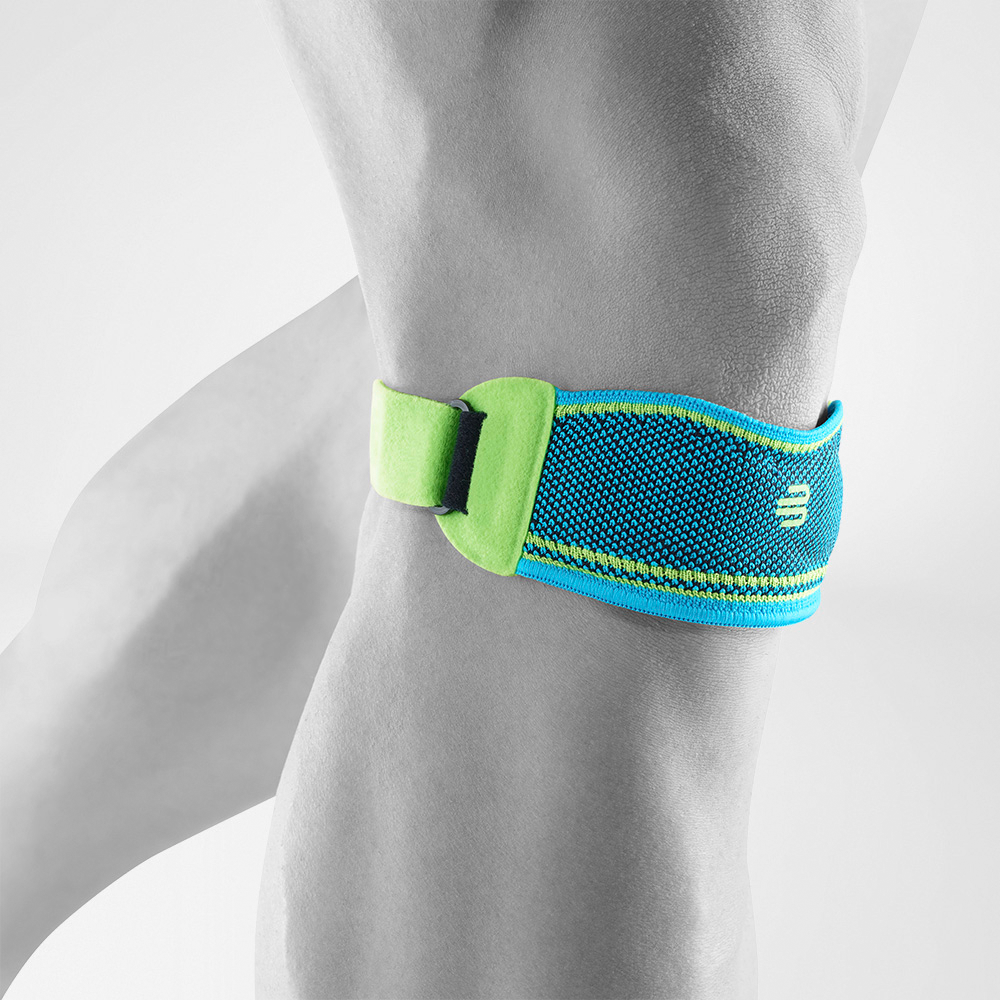
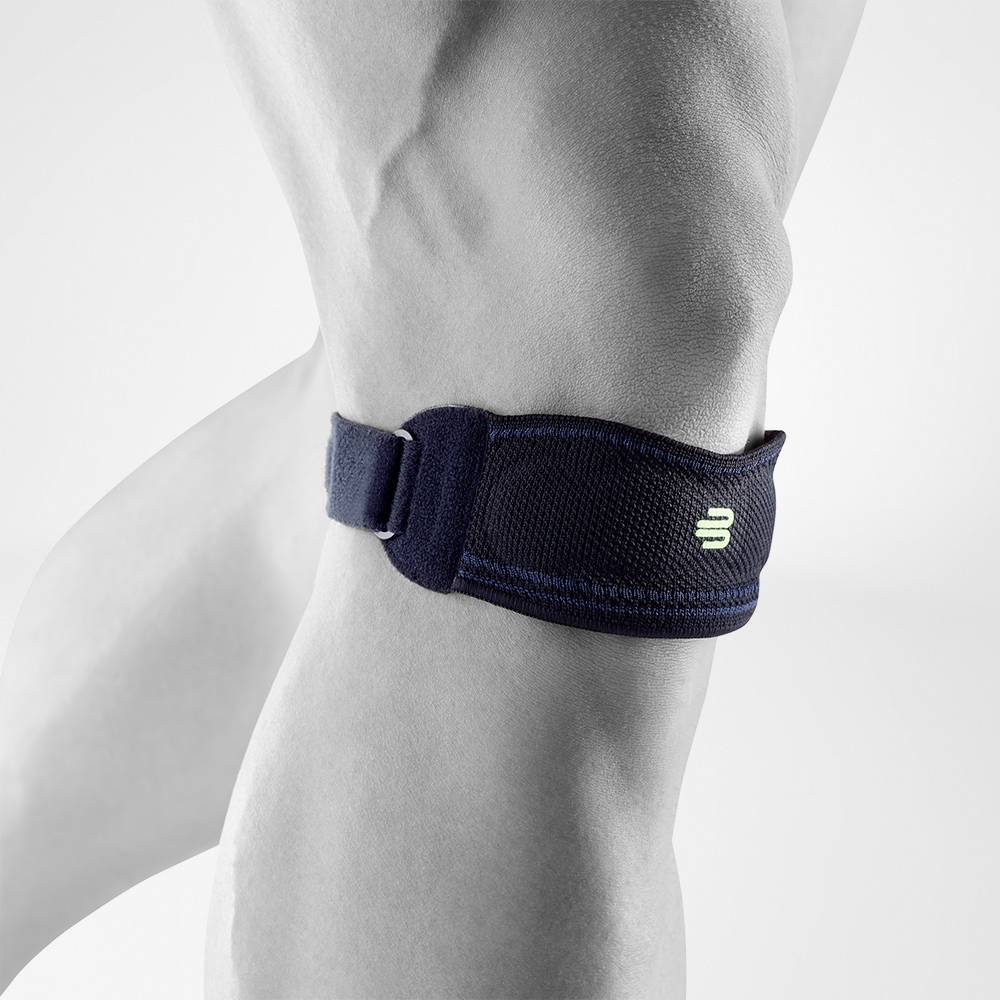
An effective routine doesn’t just build strength – it challenges balance, alignment, and controlled movement. That’s where the routine below comes in, combined with appropriate joint support training using Bauerfeind’s braces.
The Bauerfeind Stability & Strength Routine
Approximately 25-35 minutes • Ideal 2-3 times per week • Suitable for beginner to intermediate levels
Warm-Up (3-4 minutes)
Prepare your joints and activate your joint stabiliser muscles:
- March in place – 30 seconds
- Hip circles – 30 seconds
- Body-weight squats – 10 reps
- Gentle forward lunges (small range) – 6 each side
Phase 1: Mobility + Controlled Activation
Short, precise movements that activate key muscle groups while developing balance.
-
Slide to a Lunge – 2 sets of 8 each side
Focus on sliding back or to the side (choose the direction that feels right) then stepping into a lunge. This develops hip mobility and lowers leg control, which supports both knee and ankle stability. -
Partial Forward Lunges – 2 sets of 10 each side
A shortened forward lunge emphasising depth control and knee alignment. Pause at the bottom, centre your weight, then return slowly.
Phase 2: Strength + Stability Challenge
Now we build strength and challenge your stabilisers in more dynamic ways.
-
BOSU Squats – 3 sets of 10-12 reps
Standing on the dome side of a BOSU ball (or similar unstable surface) increases demand on ankle and knee stabilisers. Lower into a squat, pause momentarily, then rise with control. -
Forward Lunges – 3 sets of 8 each side
Full-range forward lunges help strengthen quads, glutes and hamstrings while teaching your lower body to manage unilateral load – excellent for knee and ankle strength. -
Unstable Squats – 2-3 sets of 10-12 reps
Use a balance pad, soft mat or slightly unstable surface. Keep your core engaged, your knees tracking over your middle toes, and rise slowly to maximise stabiliser muscle activation. -
Step Downs Supported – 2-3 sets of 8-10 each side
Stand on a low step or box, hold lightly to a railing or wall for support, then lower one foot to tap the ground, control the movement and rise back. This eccentric control is gold for knee stability and ankle control.
Phase 3: Glutes + Core Activation
Strong hips and core control underpin joint stability in knees and ankles. This finish block reinforces the big picture.
-
Hand in Hand Squat – 2 sets of 12 reps
With hands touching (or reaching forward) as you squat, this variation forces you to maintain an upright torso and symmetrical movement – great for structural stability. -
Mini Squats – 2 sets of 15 reps
Stay shallow, move slowly, focus on perfect alignment and joint tracking: knees over mid-foot, glutes back, chest up. These build endurance in stabiliser muscles. -
Dog with Leg Lift (Quadruped hip extension) – 3 sets of 10-12 each side
From all-fours, lift one leg straight behind you, keeping hips level, engaging your glute and core. This improves hip and lumbar stability – foundational for knee and ankle control.
Cool Down (2-3 minutes)
Finish with gentle stretching and recovery:
- Standing quad stretch –30 seconds each side
- Hamstring stretch (seated or standing) – 30 seconds each side
- Hip flexor lunge stretch – 30 seconds each side
- Deep breathing, focus on posture and alignment