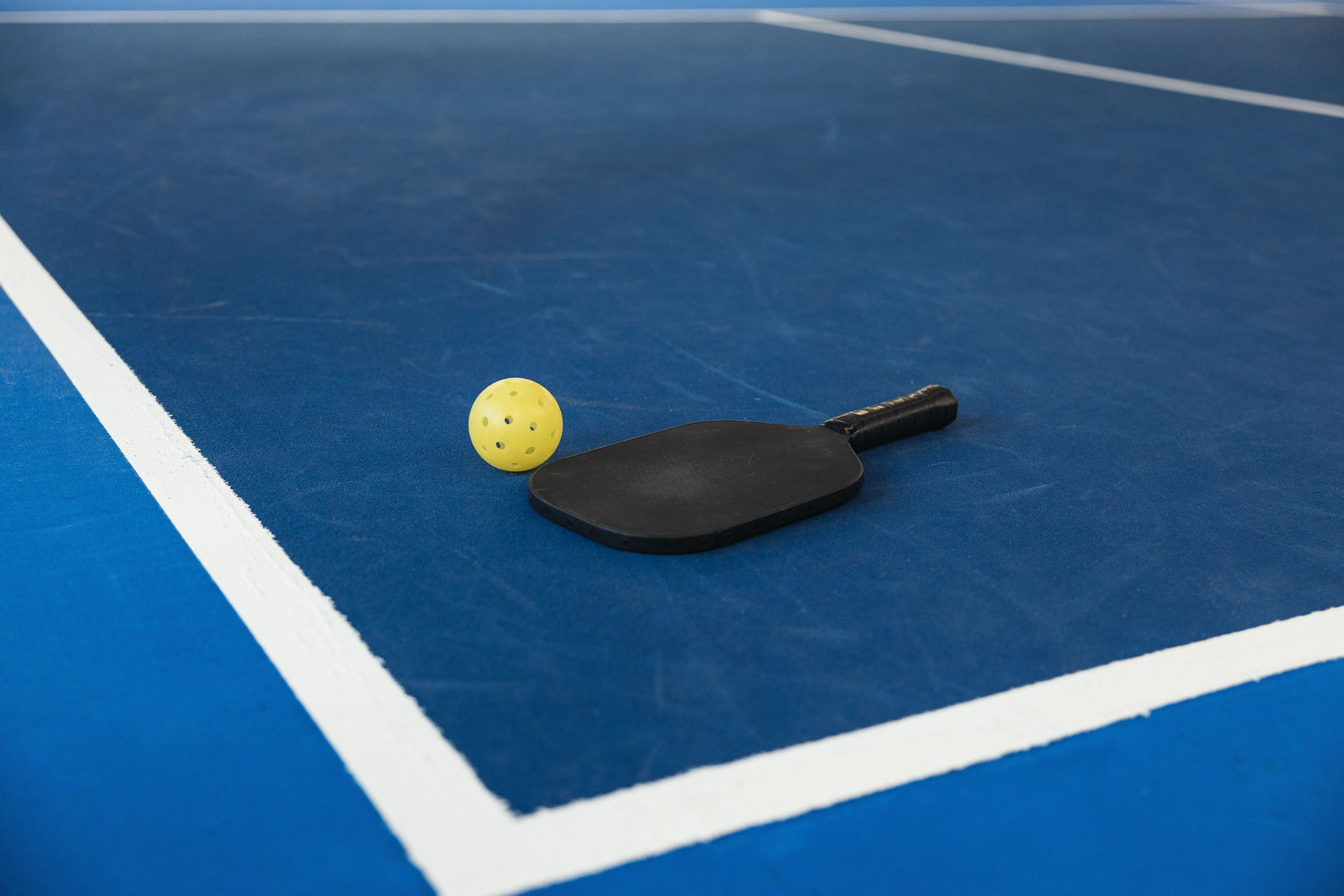
To protect your elbows from "pickleball elbow" (lateral epicondylitis), you should loosen your grip on the paddle, hit the ball out in front of your body. Switching to a lighter paddle with a larger, comfortable grip size can also help. Aside from the paddler, strengthening your forearm muscles and wearing a counterforce brace or sleeve also helps reduce joint strain.
What is Pickle Ball Elbow?
Pickleball elbow, a common overuse injury among enthusiasts, is similar to Tennis Elbow. The overuse injury will cause pain, weakness on the outside of the elbow and limits your ability to use your wrist and fingers.
The primary causes are repeatedly gripping the paddle too tightly ("death grip"), hitting off-center shots, and overusing the wrist to generate power rather than your core.
Symptoms
-
Pain or tenderness radiating from the outer bony part of the elbow down to the forearm.
-
Weakened grip strength and difficulty holding a paddle, turning doorknobs, or lifting objects.
-
Stiffness in the morning or pain when performing backhand shots (dinks and blocks).

Contributing factors
In pickleball, several factors often contribute to the injury:
Failing to prepare. Many people don't warm up their muscles before playing pickleball, and they don't stretch them afterward. That increases injury risk.
Relying on your forearm for power. "The strength of your swing shouldn't come from your forearm, but from the core muscles in your abdomen, the abductors in your hips, and the quadriceps in the front of your thighs. These muscles need to be conditioned to transfer strength to your arm," says Dr. Elizabeth Matzkin, an orthopedic surgeon with the sports medicine division of Harvard-affiliated Mass General Brigham.
Doing too much too soon. "I have many patients who play pickleball one time and enjoy it so much they begin playing it every day for hours at a time. They go from zero to 100 too quickly, and aren't ready for it physically, which puts them at a higher risk for developing pickleball elbow," Dr. Matzkin says.
Prevention
-
Loosen the Grip: Hold the paddle with a tension of about 4-6 on a 1-to-10 scale to prevent forearm muscle fatigue
-
Check Your Paddle: Switch to a lighter paddle, a softer core, or a grip size that feels comfortable to reduce impact and vibration.
-
Mechanics: Engage your larger shoulder and core muscles for power instead of relying solely on your wrist and forearm.
-
Warm-up & Strength: Perform forearm stretches and eccentric strengthening exercises before playing.
-
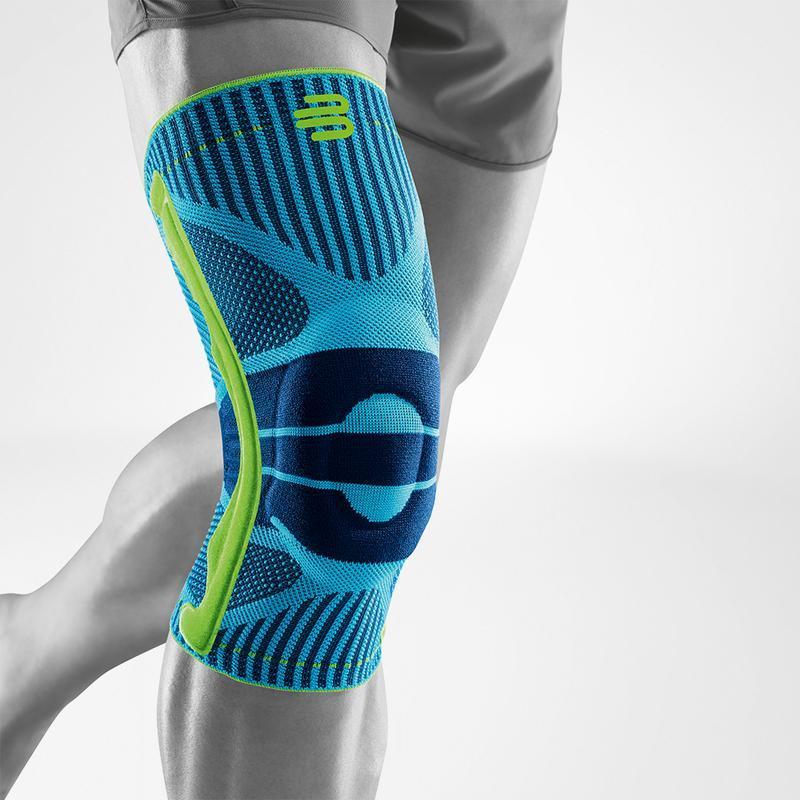
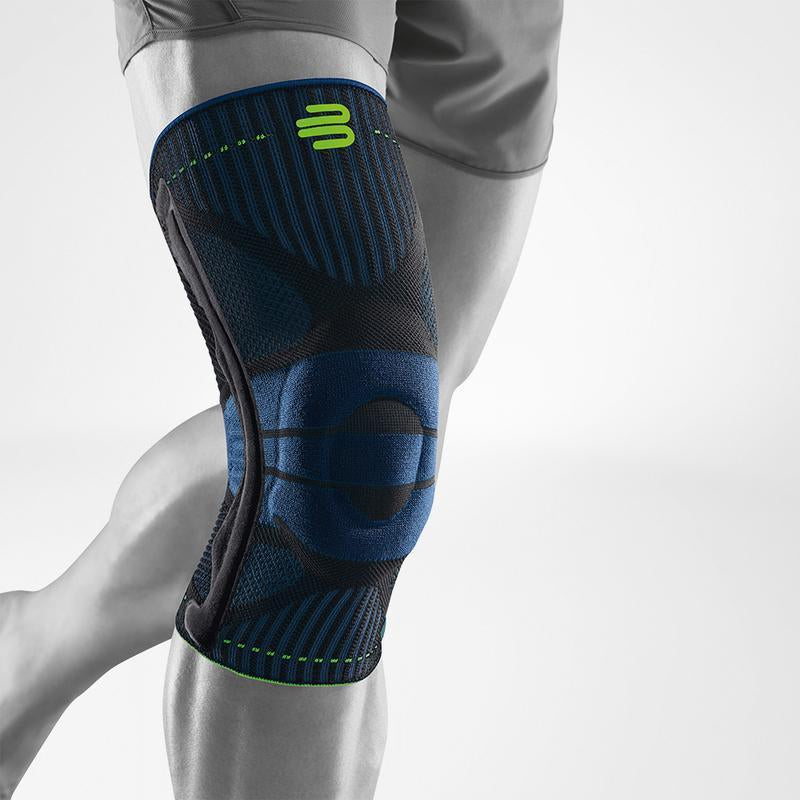
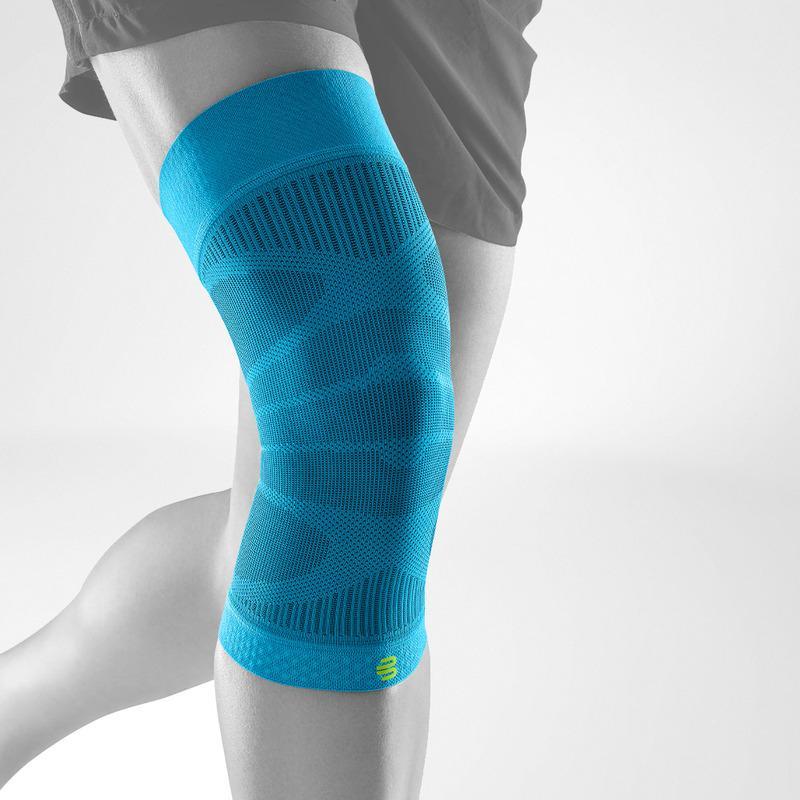
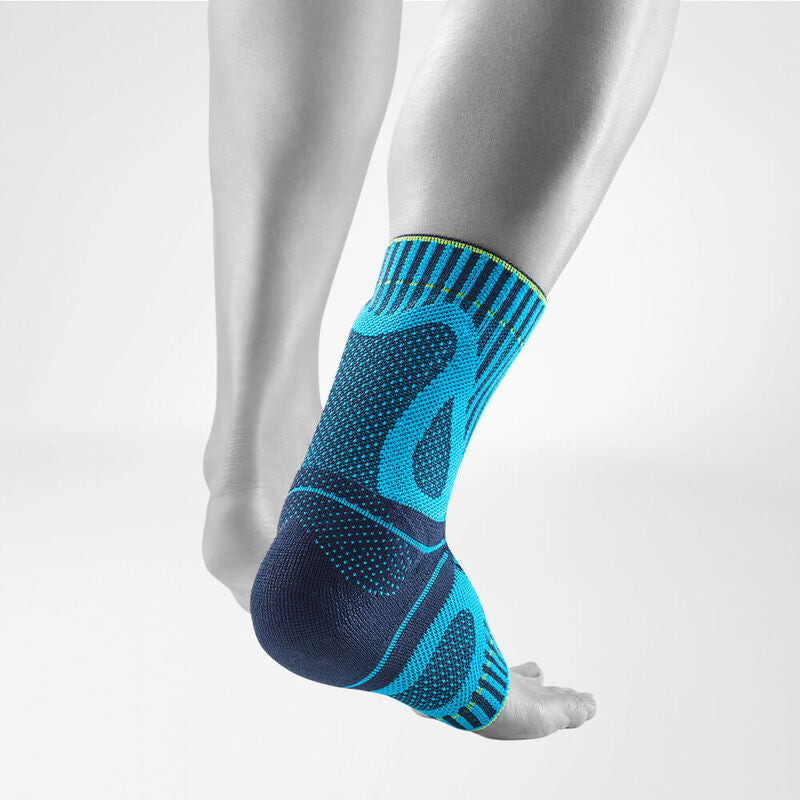
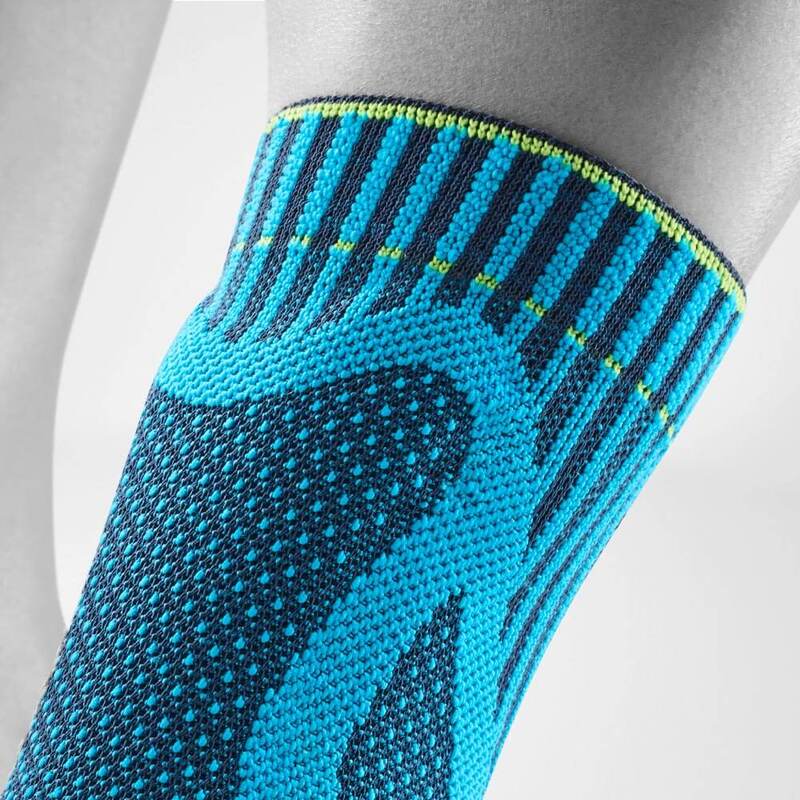
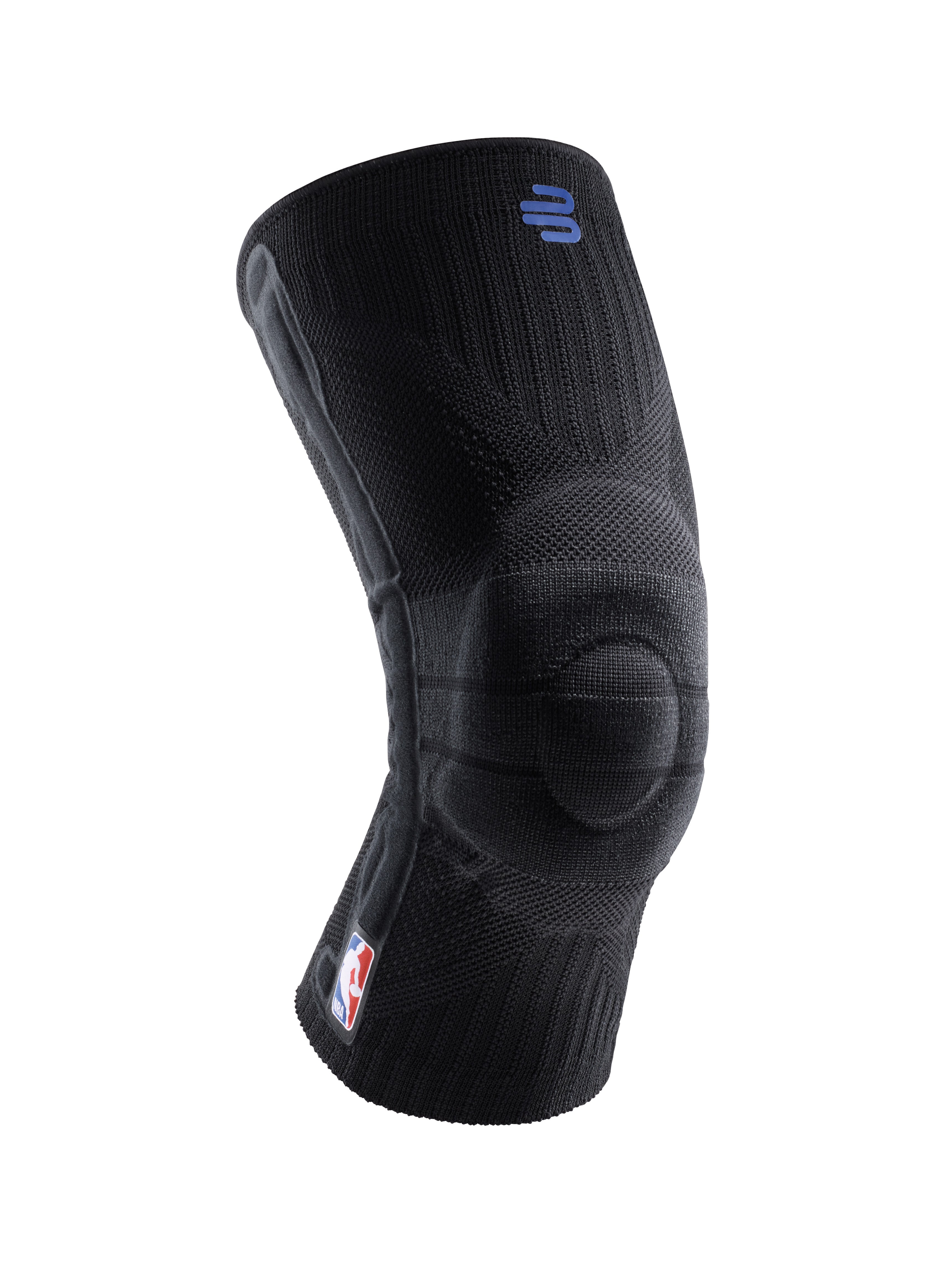
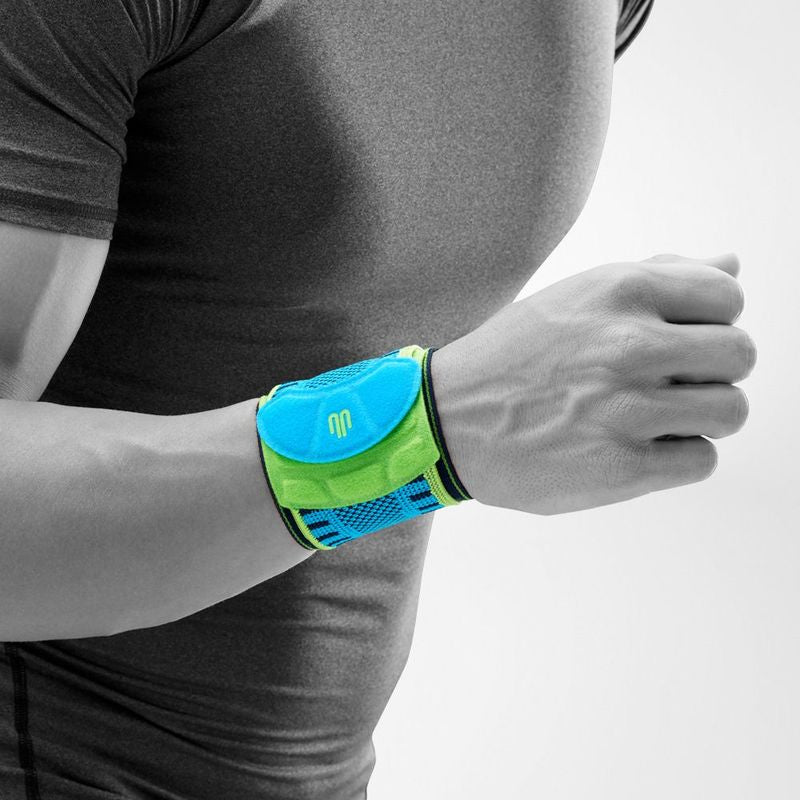
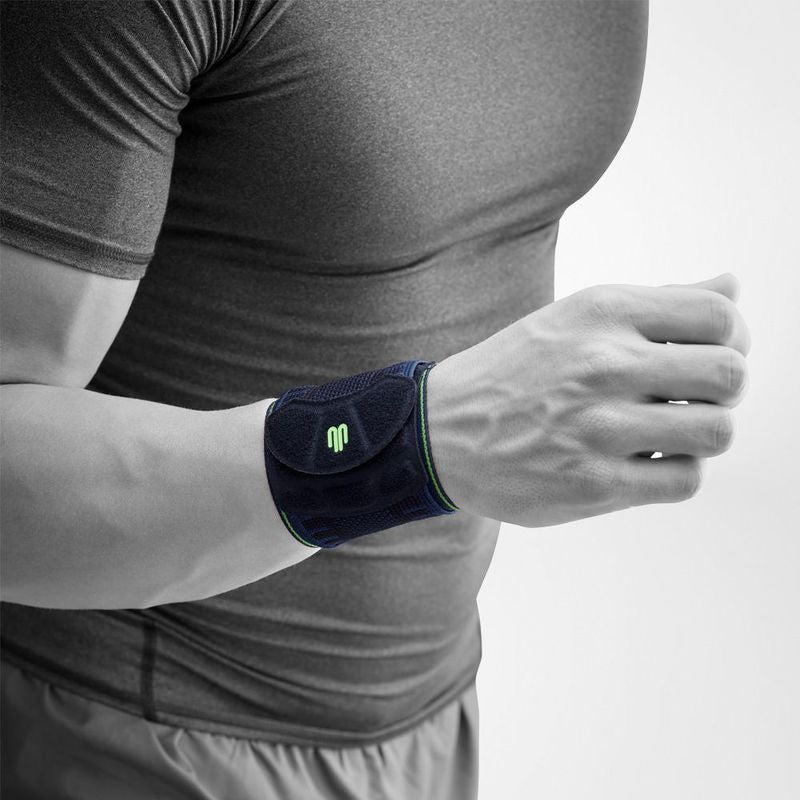
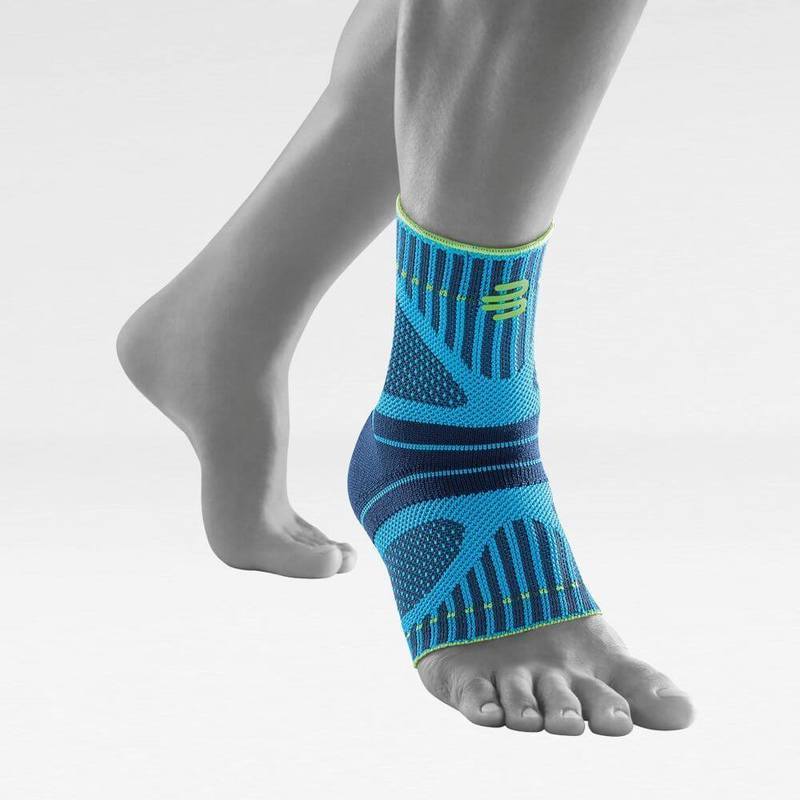
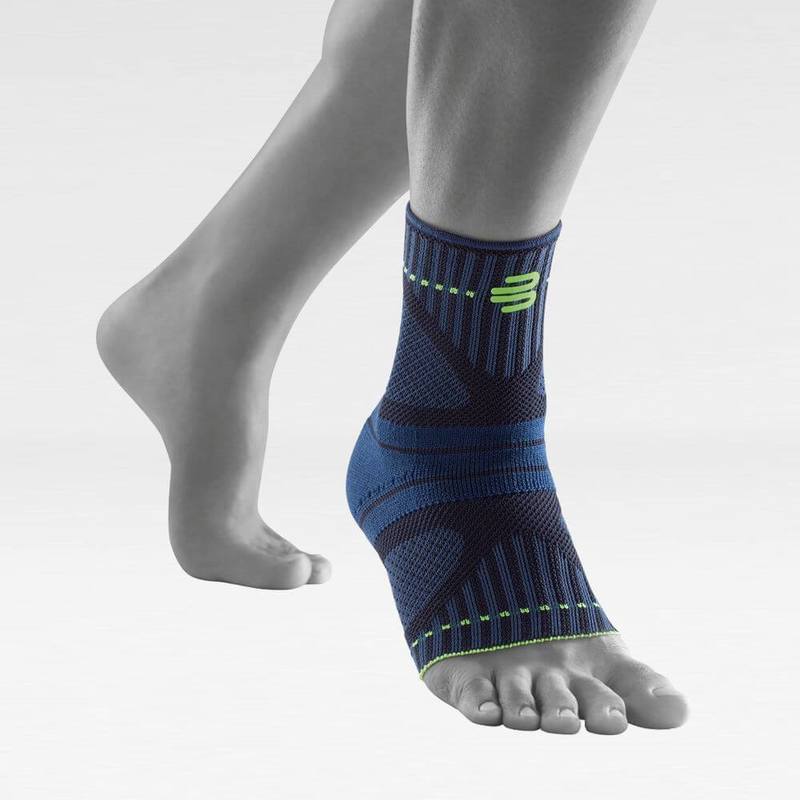
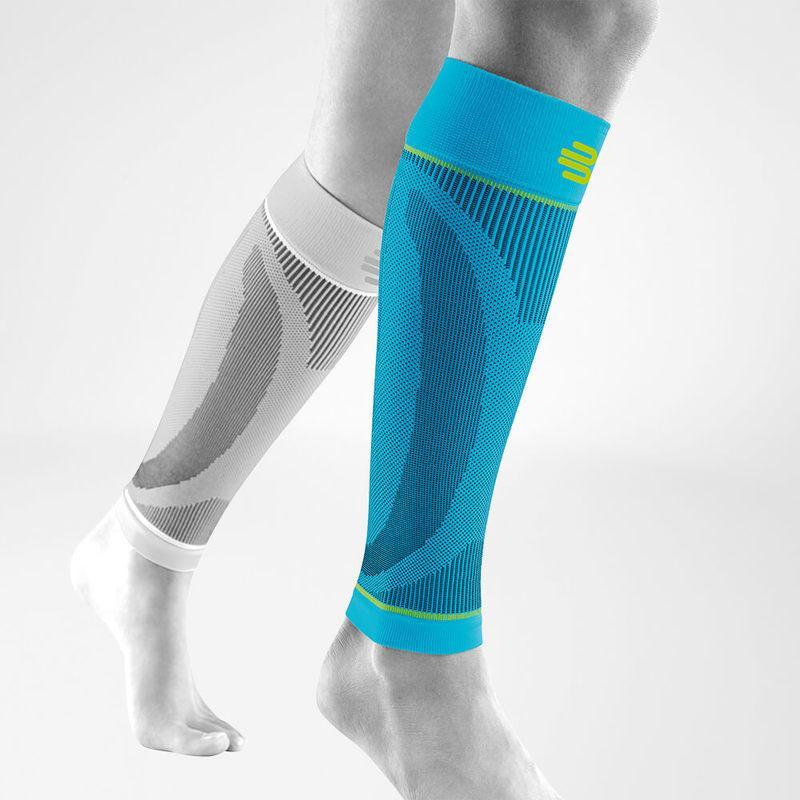
Use suitable brace and sleeves for protection: Wearing a counterforce brace or sleeve can provide sufficient support to the joint and muscle. Some protection product with special knit technology can also boost blood circulation and help improve your performance.

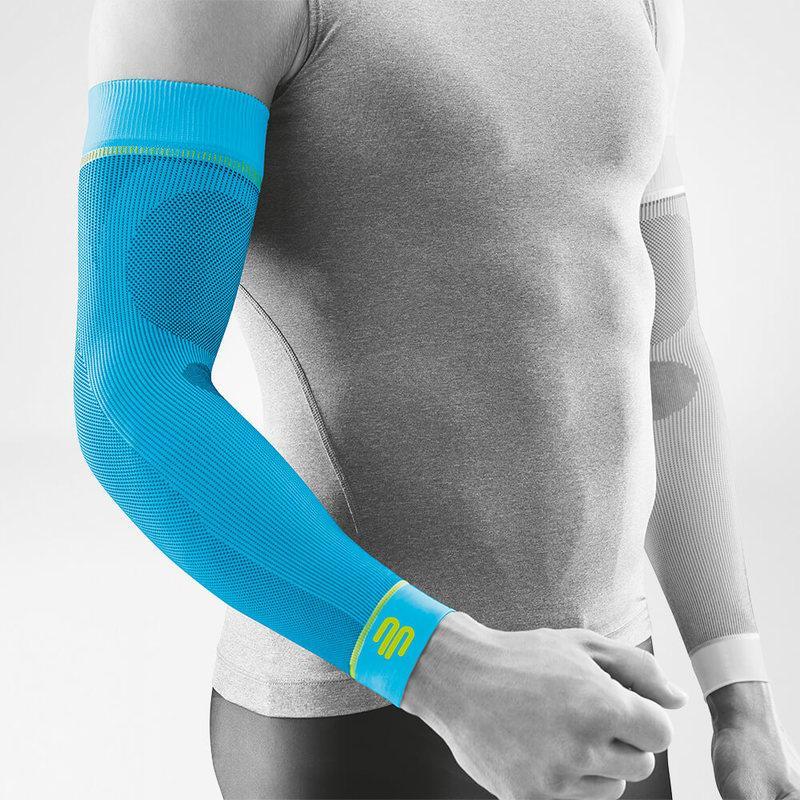
Bauerfeind Sports Compression Arm Sleeves
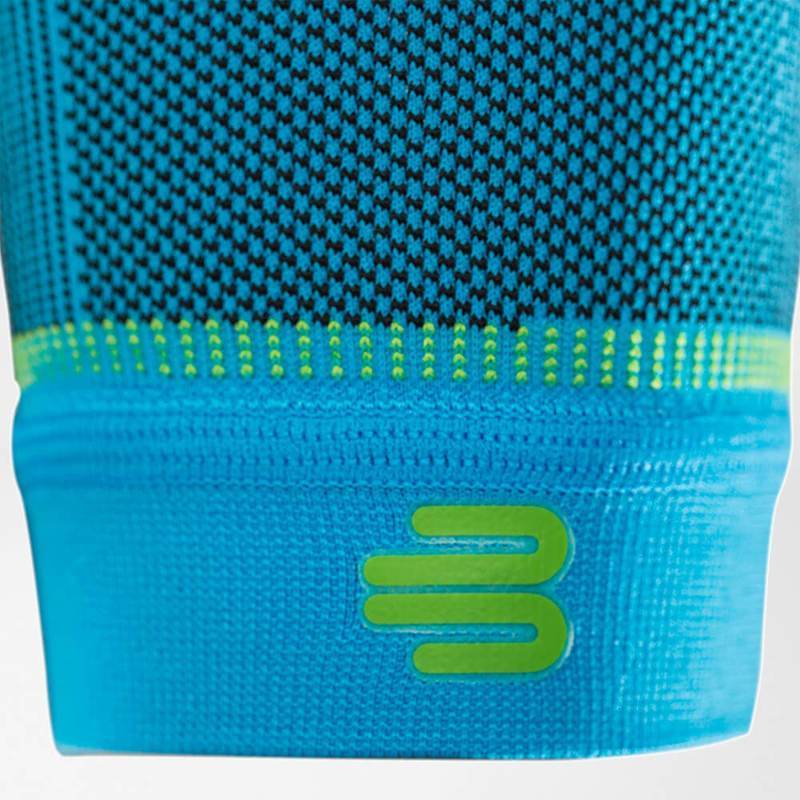
The Sports Compression Arm Sleeves strengthen the arm muscles with a comfortable compression effect, developed base on medical standards. The compression decreases from wrist to upper arm, promoting circulation.
The muscles receive a better supply of oxygen, continuously perform with higher effectiveness and regenerate faster. Stimulating blood circulation also causes the arm muscles to quickly heat up, which makes them better protected against injury. The compression reduces uncomfortable muscle vibrations in the biceps and triceps, thus preventing premature fatigue.

Bauerfeind Sports Elbow Support
Sports Elbow Support improves the movement of the elbow during longer sporting activities through gentle, beneficial compression and protects against overloading. The support surrounds the upper arm and forearm.
Two anatomically contoured functional elements or “pads” protect the inside and outside of the elbow joint against pressure peaks. When the arm moves, the pads and the knitted fabric of the support massage the connective tissue and the muscles, stimulating circulation and metabolism.The stabilising muscles are activated more quickly, thus improving joint coordination in the long term. This provides effective protection against stress and injury risks.

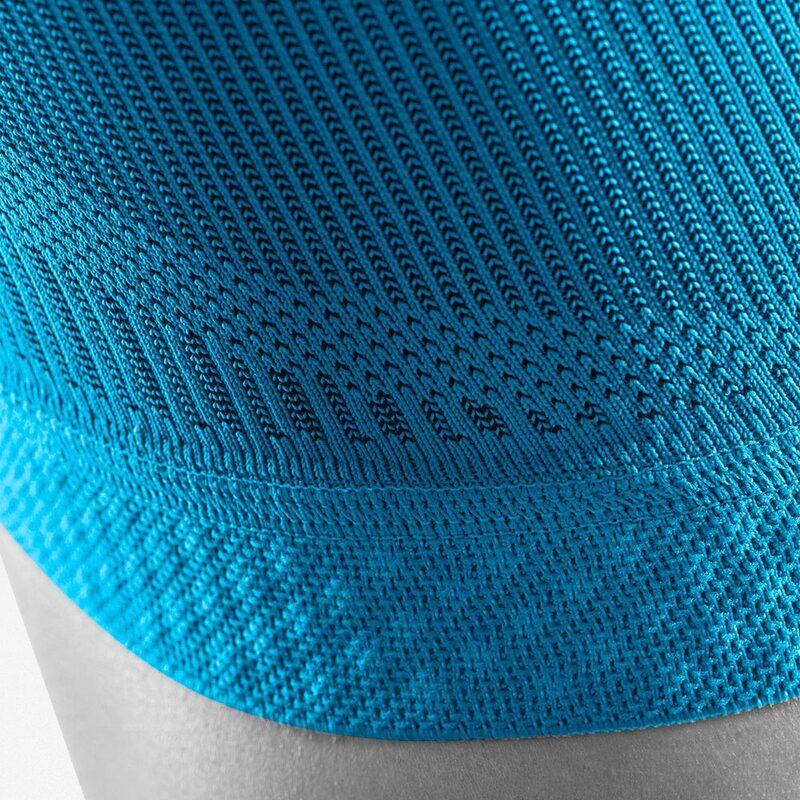
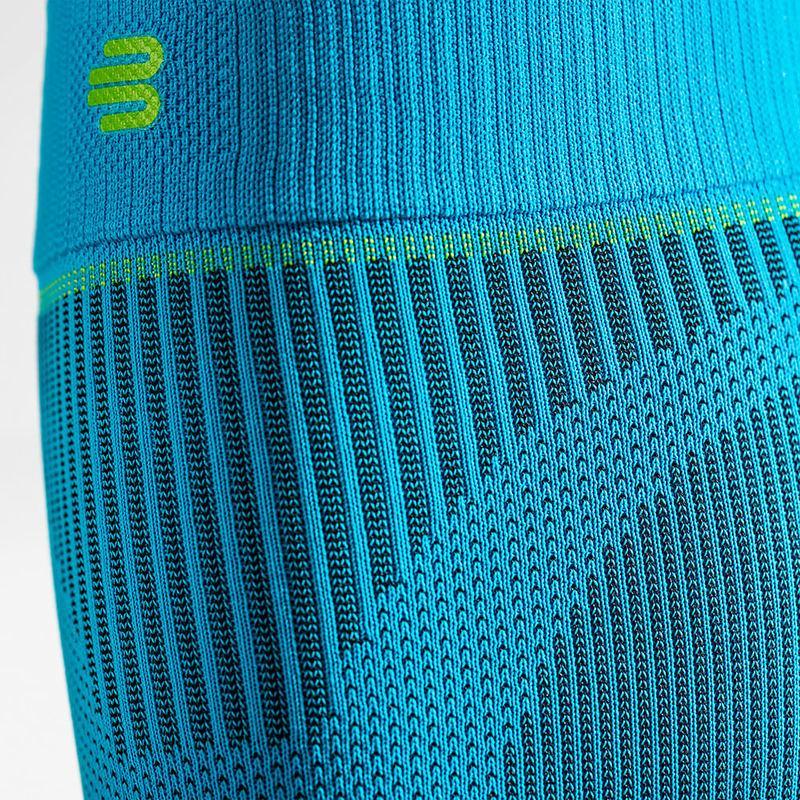
The knitted fabric of the Sports Elbow Support is similar to a fine net made of an airy mesh and consists of a breathable, hard-wearing material. This makes the support especially lightweight, comfortable to wear, and practical for sports.
Reference:
Godman, H. (2023, September 1). How to avoid this common pickleball injury. Harvard Health.https://www.health.harvard.edu/healthy-aging-and-longevity/how-to-avoid-this-common-pickleball-injury
Understanding and managing pickleball elbow for active players. (n.d.). https://www.trainerschoice.ca/injury-education/understanding-and-managing-pickleball-elbow-for-active-players